Medical Pipet: A Versatile Design for Embroidery
As an experienced designer and embroidery product reviewer, I recently came across the Medical Pipet design, and it immediately caught my attention. This design is available in various formats—AI, EPS, SVG, JPG, and Transparent PNG—making it a versatile choice for both digital and physical projects.
First Impressions and Visual Personality
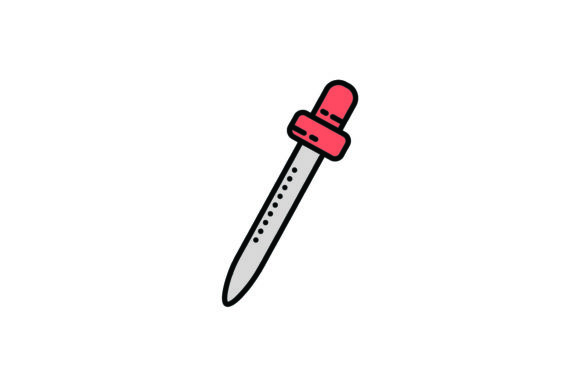
The Medical Pipet has a clean, professional look that exudes a scientific and medical theme. The design's simplicity and clarity make it perfect for projects that require a touch of precision and professionalism. The layout is well-structured, with a balanced composition that can be easily adapted to different embroidery projects.
Ideal for Custom Apparel and Personalized Gifts
When considering the Medical Pipet for custom apparel, such as embroidered patches or tote bags, its straightforward design and clear lines make it a great fit. For example, if you're creating a custom tote bag for a medical professional, the pipet design would add a unique and relevant touch. The design's visual appeal and clarity will likely your customers' trust and appreciation.
Performance on Different Fabrics and Surfaces
The Medical Pipet performs well on a variety of fabrics, but there are a few considerations to keep in mind. For instance, when using this design on textured or stretchy fabrics, it's essential to use a stabilizer to ensure the design holds its shape. Additionally, the design's details, such as the pipet's tip, may need extra attention on dark fabrics to maintain visibility and clarity.
- Smooth Fabrics: The design stitches cleanly and looks sharp on smooth fabrics like cotton or linen.
- Textured Fabrics: Use a stabilizer to prevent distortion and ensure the design remains crisp.
- Stretchy Fabrics: Test the design on a scrap piece first to check for any stretching or misalignment.
Embroidery Techniques and Stitch Density
The Medical Pipet is designed with a good balance of stitch density, making it suitable for both satin and fill stitches. For a more detailed and polished look, consider using a combination of satin and running stitches. This approach will help you achieve a clean and professional finish, especially on items like sweatshirts and baby clothes.
- Test on Scrap Fabric: Always test the design on a scrap piece of fabric to ensure it meets your quality standards.
- Check Thread Colors: Ensure the thread colors provide enough contrast, especially on dark or patterned backgrounds.
- Review Stitch Density: Adjust the stitch density if needed to avoid overly dense areas that can cause puckering.
Practical Use in Handmade Products and Etsy Listings
For Etsy sellers and small shop owners, the Medical Pipet can be a valuable addition to your design assets. It works well for creating personalized gifts, such as embroidered pillow covers or kitchen towels. The design's professional and clean look can also enhance the perceived value of your handmade products, making them more appealing to customers.
Where to Use with Caution
While the Medical Pipet is generally versatile, there are some scenarios where it should be used with caution. For example, on very small hoop sizes, the design's details might become too intricate and difficult to stitch. Similarly, on curved surfaces like caps, the design may require adjustments to fit properly without distortion.
- Small Hoop Sizes: Be cautious with small hoops; the design's details may not translate well.
- Curved Surfaces: Adjust the design to fit the curvature of caps or hats to avoid distortion.
- Thin Fabrics: Use a lightweight stabilizer to prevent the fabric from tearing or deforming.
Enhancing Visual Appeal and Professionalism
The Medical Pipet enhances the visual appeal and professionalism of your embroidery projects. Its clean and precise design makes it a reliable choice for creating high-quality, professional-looking products. Whether you're embroidering a custom apron for a lab technician or a holiday gift for a science enthusiast, the Medical Pipet will add a touch of sophistication and relevance.
Final Thoughts and Practical Tips
Before using the Medical Pipet in your embroidery projects, here are some final tips to ensure the best results:
- Test on Scrap Fabric: Always start with a test on scrap fabric to check the design's performance.
- Check Licensing: Confirm the licensing terms before selling finished products or digital files.
- Use Proper Stabilizer: Choose the right stabilizer for the fabric type to ensure a clean and professional finish.
In conclusion, the Medical Pipet is a well-crafted and versatile design that can add a professional and scientific touch to a wide range of embroidery projects. With careful consideration and testing, it can become a valuable asset in your design toolkit.